

Cutaneous Squamous Cell Carcinoma Survivor
Positive attitude guides cSCC survivor
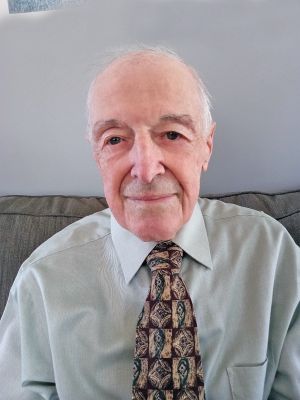
Even though his chronic lymphocytic leukemia (CLL) treatment included the risk of a secondary cancer, Victor Roy was very surprised when he was diagnosed with an advanced cutaneous squamous cell carcinoma (cSCC). Despite multiple surgeries and skin grafts, the cSCC continued to spread. When scans showed a tumor in his lung, his doctor recommended immunotherapy, which has been a success. Throughout it all, he has maintained a positive attitude, and he shares his experience with the hope of helping others.
When I found a spot on my scalp, I didn’t think anything about it because it was only about the size of a match top. I showed a dermatologist the spot a year later, and we watched it for another year. At my next checkup, we noticed it had grown so I had my first surgery to remove it. Skin from my remaining scalp was pulled over the wound and stapled to close everything. I thought that everything was good at that point.
Four years after the first surgery, the cancer returned to the exact same spot, which prompted my second surgery. This time, I also had a skin graft using skin from around my collarbone.
About seven months later, it spread again, so I had a third surgery. We had planned to follow that with a skin graft at a later date, but other health issues prevented that from being done.
The fourth surgery was done six months later and removed a lot more skin. This time, a skin graft was used from the skin of my leg.
Each surgery required a wider and deeper excision in my scalp than the one before. It was complicated by the fact that I continued to bleed after the surgeries, which prevented the wounds from completely healing. I had been diagnosed with chronic lymphocytic leukemia (CLL) 15 years prior to my skin cancer diagnosis. I think the CLL medications lowered my platelets, making me bleed easier. It also caused my white blood cell counts to spike, which lowered my immune system, and that made me vulnerable to infection. This complicated my skin cancer treatment because I had repeated infections, including a staph infection, pneumonia and shingles. I’m still managing nerve pain caused by the shingles with medication and lidocaine pads. They keep me comfortable and relatively pain free.
I saw a plastic surgeon multiple times to help with repairing the skin after the surgeries. But after a while, she said nothing was healing, so she referred me to a larger hospital. One night, the bleeding became so bad that I went to the emergency department. The ER doctor suggested going to a wound clinic. It was one of the best things I ever did. I saw the doctor at the wound clinic every two weeks, and now the bleeding has stopped.
While under the care of the larger hospital, an MRI and CT showed a spot on my lung that was from my skin cancer. My diagnosis became Stage IV. The doctors recommended immunotherapy.
After being on it for a year, follow-up scans showed the tumor was gone. The treatment has been successful, and I have not had any immunotherapy-related side effects. I will continue to take it for another year. Recent scans still show no tumor in my lung, so the treatment must be working.
In spite of all these challenges, I have maintained a positive attitude. I didn’t let it affect me too much, and I never got discouraged. I decided to accept both the CLL and skin cancer diagnoses and move on with my life. I think brooding over it only makes the situation worse. However, I worried about my wife of 60 years. In the beginning, she struggled with changing the bandages, which bothered me more than the cancer or its treatment did.
I have learned a few things along the way. Because I take so many medications, I’ve realized how important it is to take them on time every time. To help me stay on track, I use a reminder on my cell phone that alerts me when it’s time to take one of them. I don’t know what I would do without that. If you have other medical issues that you take medication for, it’s very important to take them at the right time. Schedules can be complicated to remember. That’s why it is absolutely critical to have reminders.
I always use sunscreen and wear a big hat that hides my whole head and most of my face. It also protects the dent in my scalp where they removed all the layers of skin.
I recommend everyone, especially young people, wear sunblock with a minimum of 30 SPF (applied every two hours), hats and other protective clothing when they are outside to prevent developing skin cancer. You can also buy shirts that are lightweight and block the sun.
