

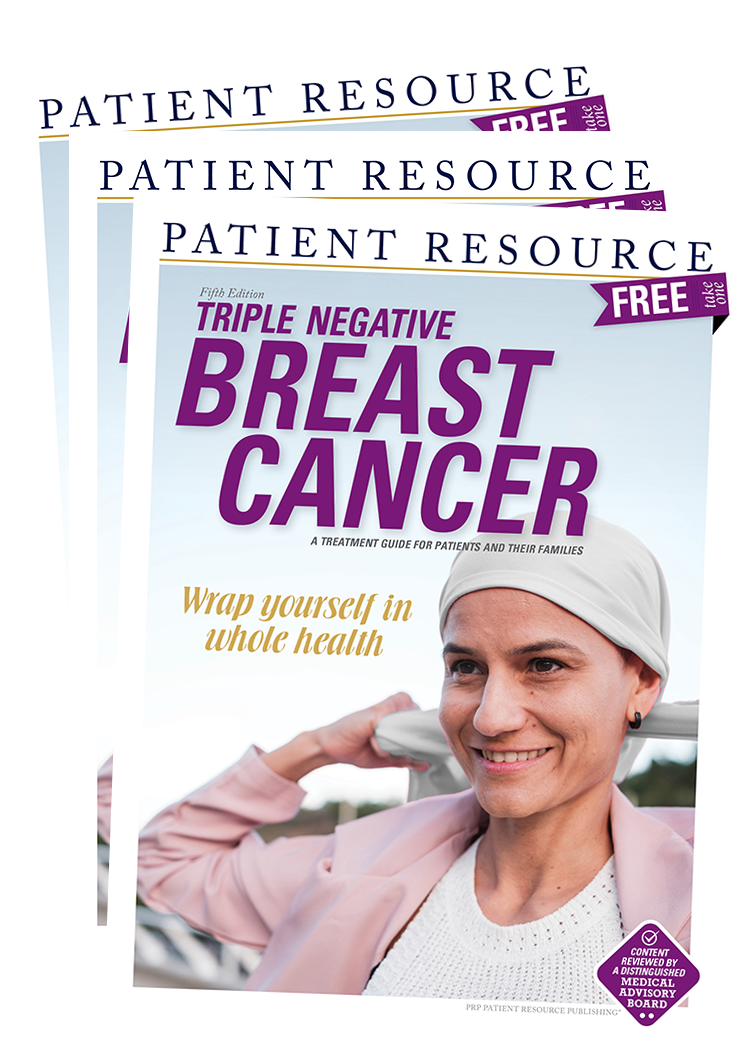
Triple Negative Breast Cancer
Nutrition and Healthy Living
After receiving a triple negative breast cancer (TNBC) diagnosis, you may feel like everything is out of your control. But that is not true. As your health care providers focus on treating your cancer, helping you lower the risk of a recurrence and protecting you from secondary cancers, you can make smart decisions about caring for your whole body. The benefits will help you during treatment and beyond.
Whole Body Wellness
You are more than just your TNBC diagnosis. You are a whole person that requires comprehensive care. Whole body wellness is a holistic approach to wellness that addresses all aspects of your life. Components of a whole-body wellness plan include your physical and mental health, spiritual needs and self-image. This idea is based in the belief that nutrition, physical activity and stress management are interconnected with your overall health.
Areas of physical health that you can control include nutrition, physical activity, reporting and managing any side effects, drinking enough water, limiting harmful substances such as tobacco and alcohol, and getting good quality rest.
To take care of your mental and emotional well-being, consider stress management techniques such as deep breathing or meditating, self-care practices such as enjoying your favorite activities, taking a nap, writing in your journal, taking a walk or getting a massage, and practicing mindfulness so you stay in the current moment.
Remember to include your spiritual needs. Consider engaging in prayer, joining a spiritual group, connecting with nature, spending time with loved ones or donating time or money to a cause you care about. Never give up hope for the future.
Incorporate laughter into your daily routine, whether it is reading a funny book, watching a comedian on TV or seeing a funny movie perhaps. Laughter is a proven stress reliever.
Nutrition
Cancer and its treatments can make it difficult to consume all of the nutrients you need to fight cancer and recover. Many cancer treatments kill healthy cells as well as cancer cells. As a result, your body needs more nutrients to replenish the healthy cells that support you before, during or after treatment.
You may have challenges with your ability and desire to eat, along with how food tastes or smells. Feeling nauseated, tired, depressed or just uncomfortable may also affect your eating habits. Your health care provider may recommend nutritional counseling, also referred to as dietary counseling. The goal is to help people with cancer be healthy during and after treatment and stay strong enough to prevent or manage infections and lower the risk of recurrence.
Follow a well-balanced, heart-healthy diet. That typically includes eating a variety of fruits and vegetables, whole grains, skinless poultry and fish, low-fat dairy products, nuts and legumes, and non-tropical oils. If you need help with nutrition planning, ask your health care provider for a referral to a dietitian.
Physical Activity
Being active, at any level, is an important aspect of improving and maintaining overall health. It can offer benefits during and after cancer treatment, including tolerating treatment better, maintaining mobility and flexibility, and improving overall well-being and self-esteem. It can also reduce the risk of future cancers, boost your immune system, reduce fatigue, lower anxiety and depression, build strength, release tension and help reduce body weight. Scientific evidence shows that keeping a healthy weight and regular exercise actually improves outcomes, both emotionally and physically.
Sleep Hygiene
The quality of your sleep may suffer. Try to get seven to nine hours of sleep. To do so, limit daytime naps to 30 minutes or less, go to bed and wake up at the same time each day, and develop a routine to help you prepare for sleeping. Let your health care provider know if you are not getting good sleep. You will need the best rest to help you recover.
Self-Image and Sexuality
Maintaining a healthy self-image can be difficult. You may feel self-conscious about being labeled a breast cancer patient or survivor or you may be uncomfortable with the physical aftereffects of treatment. Feeling better about yourself begins with taking good care of yourself physically.
Dating and intimacy after breast cancer treatment can be challenging, particularly at first. Physical changes in your appearance may make you feel less desirable or insecure about being intimate with a romantic partner. Cancer-related fatigue and/or depression can significantly reduce your sex drive as well.
In addition, certain cancer treatments can cause premature menopause. Going through it at the expected age is difficult enough, but entering menopause early and suddenly can disrupt your hormones, causing additional side effects that could make you anxious about being intimate.
A counselor or therapist who has experience with cancer patients may help you sort out your feelings. If you’ve found a cancer support group that you feel comfortable with, find out how others have addressed intimacy issues. When you’re ready, an honest conversation with your partner can open lines of communication and ultimately deepen your relationship.
Follow-Up Appointments
Whether you are still in treatment, have finished or are on maintenance therapy, it is critical to go to your follow-up appointments. These visits allow your health care provider to monitor the status of your health, determine how well treatment is going and help you address any side effects or concerns. Your health care provider should provide you with a follow-up care plan that outlines upcoming tests, treatment and checkups.
