

Peripheral Neuropathy
Peripheral neuropathy is a disorder of the peripheral nerves, which are the nerves outside the brain and spinal cord. These nerves control the sensations and movements of the arms and legs, and some control involuntary functions such as digestion and breathing. Symptoms may include numbness and tingling (“pins and needles”), decreased sensation of hot and cold, unpleasant sensations when touched, muscle weakness and cramping, balance problems, ringing in ears or loss of hearing, changes in vision, constipation, difficulty urinating and sexual health issues. Pain may also occur and usually has a burning or electric shock-like feeling. These symptoms may make it difficult to button clothes, pick up small items or write. Muscle weakness and balance problems may cause an unsteady gait or difficulty with walking.
What causes peripheral neuropathy?
It is the result of damage to sensory nerves, which may be caused by chemicals in chemotherapy or targeted therapy drugs. Other causes include tumors pressing on nerves, infections that affect nerves, spinal cord injuries, diabetes, alcohol abuse, shingles, low vitamin B levels, some autoimmune disorders and poor circulation. Knowing the cause of your peripheral neuropathy will help your health care provider treat it.
When does peripheral neuropathy occur?
Peripheral neuropathy caused by chemotherapy or targeted therapy drugs can be either acute (short term) or chronic (long term). Acute peripheral neuropathy usually begins during or shortly after administration of the drug and most often goes away on its own after several days. Chronic peripheral neuropathy may arise weeks or months after treatment and is sometimes irreversible. Whether peripheral neuropathy is acute or chronic depends on many factors, primarily the dose and combinations of drugs and the total dose of a drug given over time.
How you can manage peripheral neuropathy.
You can manage it with substances to protect against damage caused by drug therapy, exercises to ease discomfort and strengthen muscles, and treatments and medications to relieve pain. A chemoprotective agent may be given prior to or with a chemotherapy drug likely to cause peripheral neuropathy.
In some cases, a substance known as a chemoprotective agent may be given prior to or with a chemotherapy drug likely to cause peripheral neuropathy.
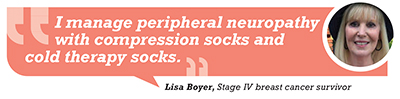
Other treatments may include occupational therapy, physical therapy, relaxation therapy, guided imagery, acupuncture, massage and biofeedback. Some medications that relieve pain include corticosteroids, topical medications (such as a lidocaine patch), and opioids or narcotics for severe pain. Anti-depressants may relieve pain related to damaged nerves. Stretching can help decrease pain related to neuropathy, especially in the morning. Moving your hands and feet in all directions before you get out of bed in the morning may be helpful, and strengthening your muscles with isometric exercises (exercises in which you hold a muscle in a flexed position for a period of time) can help you maintain balance and walk normally.
Another strategy is transcutaneous electrical nerve stimulation (TENS). TENS involves a small electrical device with wires attached to the skin with electrodes; the device transmits a gentle current into areas of pain and stimulates the release of endorphins, the body’s natural painkillers.
Safety tips to prevent accidental injury due to peripheral neuropathy:
- Use caution when handling sharp objects.
- Wear protective gloves when doing household repairs or yardwork/gardening.
- Use potholders when cooking.
- Do not walk inside or outside with bare feet. Always wear rubber-soled shoes.
- Keep skin moist with lotion to avoid cracking and peeling. Inspect your hands and feet regularly for any breakdown in the skin.
- Remove obstacles in your home (power cords, throw rugs, etc.) that could lead to falls.
- Use a cane, walker or wheelchair if you are unsteady.
- Use nightlights to keep areas of your home well lit.
- Wear warm gloves, hats and scarves during cold weather.
- Test the temperature of water with a non-affected body part before exposing affected areas.
- DO NOT DRIVE if you are not able to feel the gas pedal or brake with your feet.
When to call your health care provider
Call when you first experience symptoms. Early treatment offers the best chance of managing it. Tell your health care provider before treatment if you have peripheral neuropathy due to diabetes or another reason.
