

Fatigue
Cancer-related fatigue is one of the most common side effects for many people. It is an ongoing lack of energy and sense of exhaustion. It is much more intense than the tired feeling felt by healthy people.
What causes fatigue?
Although the exact cause isn’t known, theories suggest it could result from healthy cells and tissues becoming inflamed or damaged by cancer and its treatments or that your body is working extra hard to repair that damage. Fatigue may be worse in people who have combination treatments, have advanced cancer or are elderly. Chemotherapy, targeted therapy, immunotherapy, radiation therapy, bone marrow/stem cell transplantation and surgery, along with conditions such as anemia, pain and mental stress, are possible contributors.
When does fatigue typically occur?
Fatigue related to cancer can start early, even before diagnosis. It can last for weeks, months or years and depends on the type and amount of treatment received. For people who have surgery for cancer with no other treatment, fatigue is likely to last for a few days to a few weeks after surgery. It is commonly caused by side effects from general anesthesia, as well as your body recovering from having had an operation. For people receiving chemotherapy, targeted therapy or immunotherapy in cycles, fatigue often gets worse at first and may get better until the next treatment, when the pattern starts again.
Once treatment is complete, the fatigue often lessens within a few months but may last up to a year. Fatigue as a result of radiation therapy tends to worsen as the treatment goes on. It usually lessens within a few weeks to a few months after treatment is complete. Fatigue from a bone marrow/stem cell transplant, which is typically accompanied by chemotherapy, may last for up to a year.
How you can manage fatigue
These suggestions may help.
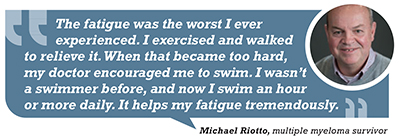
- Exercise. Light physical activity, such as short walks several times a week, can increase your energy level. Instead of contributing to fatigue, regular exercise actually helps manage and reduce it.
- Get good sleep. Go to bed and get up at the same time each day. Keep your bedroom quiet, dark and at a comfortable temperature. Avoid screens, large meals, caffeine and alcohol before bedtime. Being physically active during the day can help you fall asleep more easily at night.
- Limit naptime. Take short naps of less than an hour during the day. Too much sleep during the day can make it difficult to sleep at night.
- Don't overdo. Prioritize important activities and do them when you have the most energy.
- Seek relief from other symptoms. Practice strategies to relieve symptoms that may contribute to fatigue, such as pain, nausea, vomiting, depression and stress. Consider meeting with a palliative care specialist for pain relief or a therapist or support groups for stress management.
- Follow a healthy diet. Meet with a registered dietitian or nutritionist to learn about the foods that can increase your energy level. Stay well hydrated. Limit your caffeine and alcohol intake.
- Coordinate with your work schedule. Talk to your supervisor or your Human Resources department about the potential to experience fatigue on the job and ways you can manage it. Consider taking time off or scheduling important tasks for times when fatigue may be at its lowest.
- Consider cancer rehabilitation. Ask your health care team whether you have access to a rehab facility that offers proven techniques for reducing fatigue.
When to call your health care provider
Call immediately if you have the sudden onset of any of the following:
- Confusion
- Dizziness or loss of balance
- Extreme tiredness that forces you to stay in bed for more than 24 hours
- Fatigue that has gotten worse or a sudden decrease in energy level
- Feelings of being out of breath or of a racing heart after mild activity
Tell your health care team if fatigue prevents you from carrying out your normal activities or if you are very tired even after resting or sleeping. Keep track of your energy levels throughout the day to help them assess your fatigue. Write down how it affects your daily activities and what, if anything, makes the fatigue better or worse.
